How Often Should Chanhassen, MN Offices Schedule Professional Cleaning?
Keeping an office clean requires more than occasional vacuuming and emptying trash. Businesses in Chanhassen, MN may deal with employee activity, customer visits, meetings, shared workspaces, break rooms, restrooms, and dirt tracked in from outside. The right professional cleaning frequency depends on how the office is used and which areas require the most attention. A well-planned schedule can help businesses maintain a cleaner workplace while keeping cleaning services practical and aligned with everyday operations.
Office Activity Should Determine Cleaning Frequency
Every office has different cleaning needs. A small workplace with limited foot traffic may not require the same schedule as a larger office with employees, clients, vendors, and frequent visitors.
The number of people using the facility, operating hours, shared areas, and amount of daily activity can all affect how quickly an office becomes dirty.
Instead of choosing a cleaning schedule based only on the size of the building, businesses should consider which areas need the most frequent attention.
Daily Office Cleaning for High-Use Workplaces
Daily cleaning can be a practical option for offices that experience consistent activity throughout the week.
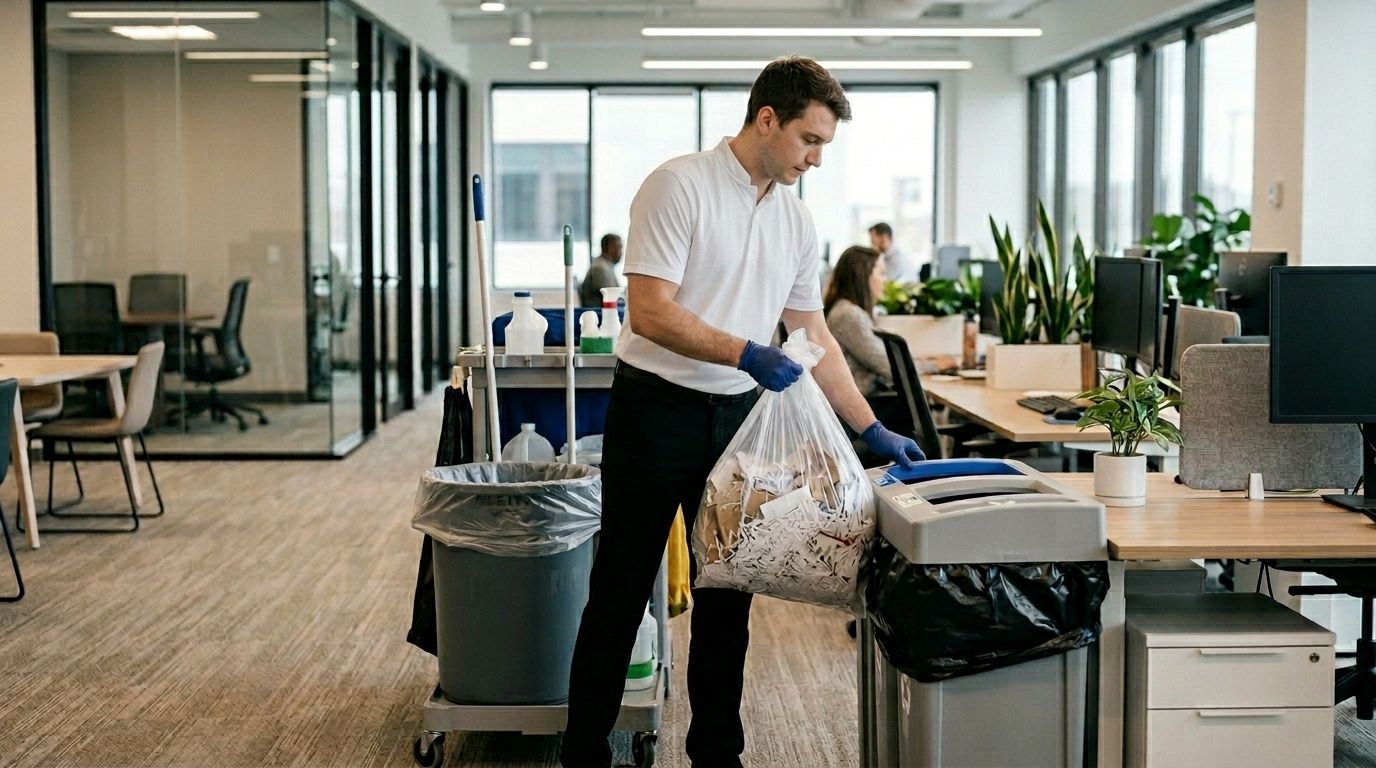
A daily service may include vacuuming, sweeping, mopping, trash removal, restroom cleaning, break room maintenance, dusting, and cleaning commonly used surfaces.
This frequency can be especially useful when an office has busy entrances, shared meeting rooms, frequently used restrooms, or other areas where dirt and debris accumulate quickly.
Daily service also helps prevent routine cleaning tasks from being pushed aside when employees become busy with their primary responsibilities.
Three-Times-a-Week Cleaning Offers Regular Maintenance
Three-times-a-week cleaning can be a useful option for businesses that need regular professional attention without requiring service every day.
A schedule such as Monday, Wednesday, and Friday can provide consistent maintenance throughout the workweek.
This frequency may be suitable for offices where floors, restrooms, break rooms, and shared areas need attention several times per week but do not necessarily require daily service.
It can also provide a practical balance between maintaining the facility and controlling the amount of cleaning service required.
Weekly Cleaning for Lower-Traffic Offices
Some offices can maintain their facilities with professional cleaning once a week.
Weekly service can include routine tasks such as:
- Vacuuming carpets
- Sweeping and mopping floors
- Cleaning restrooms
- Emptying trash
- Dusting surfaces
- Cleaning break rooms
- Wiping commonly touched areas
However, businesses should evaluate how quickly their facility becomes dirty. If restrooms, floors, or shared areas need attention before the next scheduled visit, increasing the cleaning frequency may be more appropriate.
Biweekly Cleaning Can Supplement Routine Maintenance
Biweekly cleaning can work for offices with lighter cleaning demands or for businesses that already handle some basic maintenance internally.
A professional cleaning visit every two weeks can provide additional attention to floors, restrooms, common spaces, and other areas that need more than occasional upkeep.
It can also be used as a supplemental service alongside regular employee maintenance.
For some businesses, this schedule may be enough for lower-traffic areas while more frequently used spaces receive additional attention.
Monthly Cleaning for Specific Maintenance Needs
Monthly professional cleaning can be useful when a business has limited cleaning requirements or wants periodic attention for specific areas.
A monthly visit may focus on detailed cleaning tasks that are not necessary every week.
For example, businesses may use monthly service for additional floor maintenance, detailed dusting, fixtures, less frequently used rooms, or other areas that accumulate dirt gradually.
Monthly service can also be combined with more frequent cleaning for high-use parts of the facility.
Chanhassen Weather Can Affect Indoor Cleaning Needs
Outdoor conditions can influence how much cleaning an office needs throughout the year.
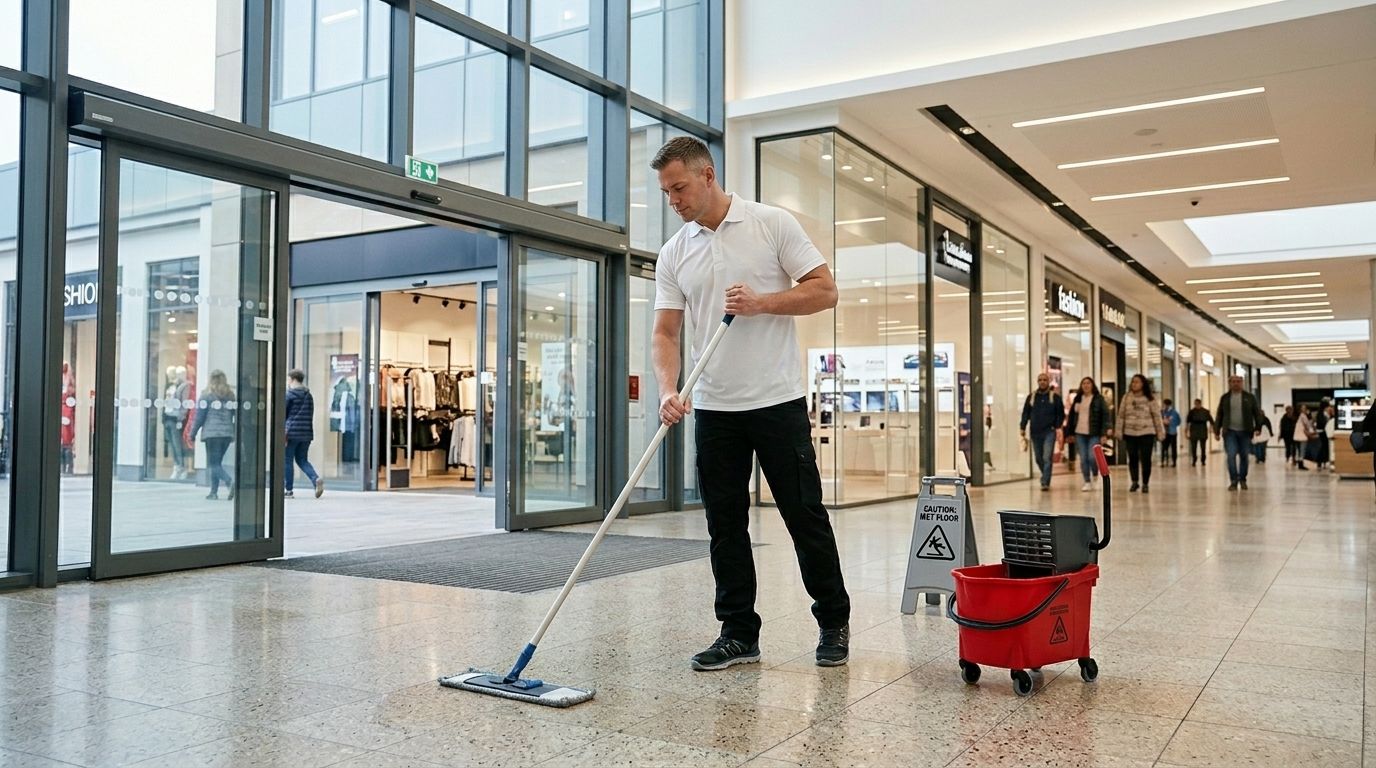
During Minnesota winters, employees and visitors can track snow, slush, moisture, and road salt through entrances. These materials can spread across floors as people move through the building.
Entrance areas, mats, hallways, and other high-traffic surfaces may therefore require additional attention during periods of challenging weather.
A cleaning plan can be adjusted when seasonal conditions create more dirt and moisture inside the facility.
Shared Workspaces Need Consistent Attention
Conference rooms, break rooms, kitchens, reception areas, and other shared spaces can become dirty faster than individual workstations because they are used by multiple people.
Food particles, spills, fingerprints, dust, and general debris can accumulate throughout the workday.
Professional cleaners can include these areas in a recurring maintenance plan and give additional attention to spaces that experience the most activity.
This helps prevent shared areas from being overlooked simply because employees are focused on their regular work.
Restrooms and Entrances May Need More Frequent Cleaning
Not every part of an office needs to be cleaned at the same frequency.
Restrooms and entrances generally receive more direct use than many individual work areas. A business may therefore need more frequent attention in these locations even if other parts of the office can follow a less frequent schedule.
A customized commercial cleaning plan can account for these differences instead of applying the exact same cleaning routine to every room.
Deep Cleaning Should Be Scheduled Periodically
Routine cleaning keeps up with everyday dirt, but some areas require additional attention.
Deep cleaning can focus on baseboards, corners, fixtures, detailed floor areas, break rooms, restrooms, and other parts of the facility that may not receive extensive attention during normal cleaning visits.
Businesses can schedule deep cleaning periodically based on their facility's condition and usage.
Adding deep cleaning to a regular maintenance plan can help address areas that gradually accumulate dirt even when routine cleaning is performed consistently.
How to Choose the Right Cleaning Frequency
Before selecting a cleaning schedule, businesses in Chanhassen can consider:
- How many employees use the office
- How frequently customers and visitors enter
- How many shared spaces the facility has
- How often restrooms are used
- How quickly floors become dirty
- Whether the business operates every day
- How much cleaning employees currently handle
- Whether seasonal weather increases indoor dirt and moisture
Based on these factors, an office may benefit from daily, three-times-a-week, weekly, biweekly, monthly, or periodic deep cleaning.
The schedule does not have to remain permanent. Businesses can adjust service frequency as their staffing, operations, facility usage, or cleaning requirements change.
Professional Office Cleaning in Chanhassen, MN
Chanhassen Commercial Cleaning provides professional cleaning solutions for offices and commercial facilities in Chanhassen, MN. Their services can help maintain workspaces, restrooms, break rooms, entrances, floors, conference rooms, common areas, and other frequently used spaces.
Whether your business needs daily office cleaning, three-times-a-week service, weekly or biweekly cleaning, monthly maintenance, janitorial services, or deep cleaning, a cleaning schedule can be structured around the way your facility operates.
Professional office cleaning gives businesses a consistent approach to routine maintenance while allowing employees to spend more time on their primary responsibilities.